
The course aim to provide gas testing analysis with the necessary information to allow them to conduct effective and competent gas testing procedures
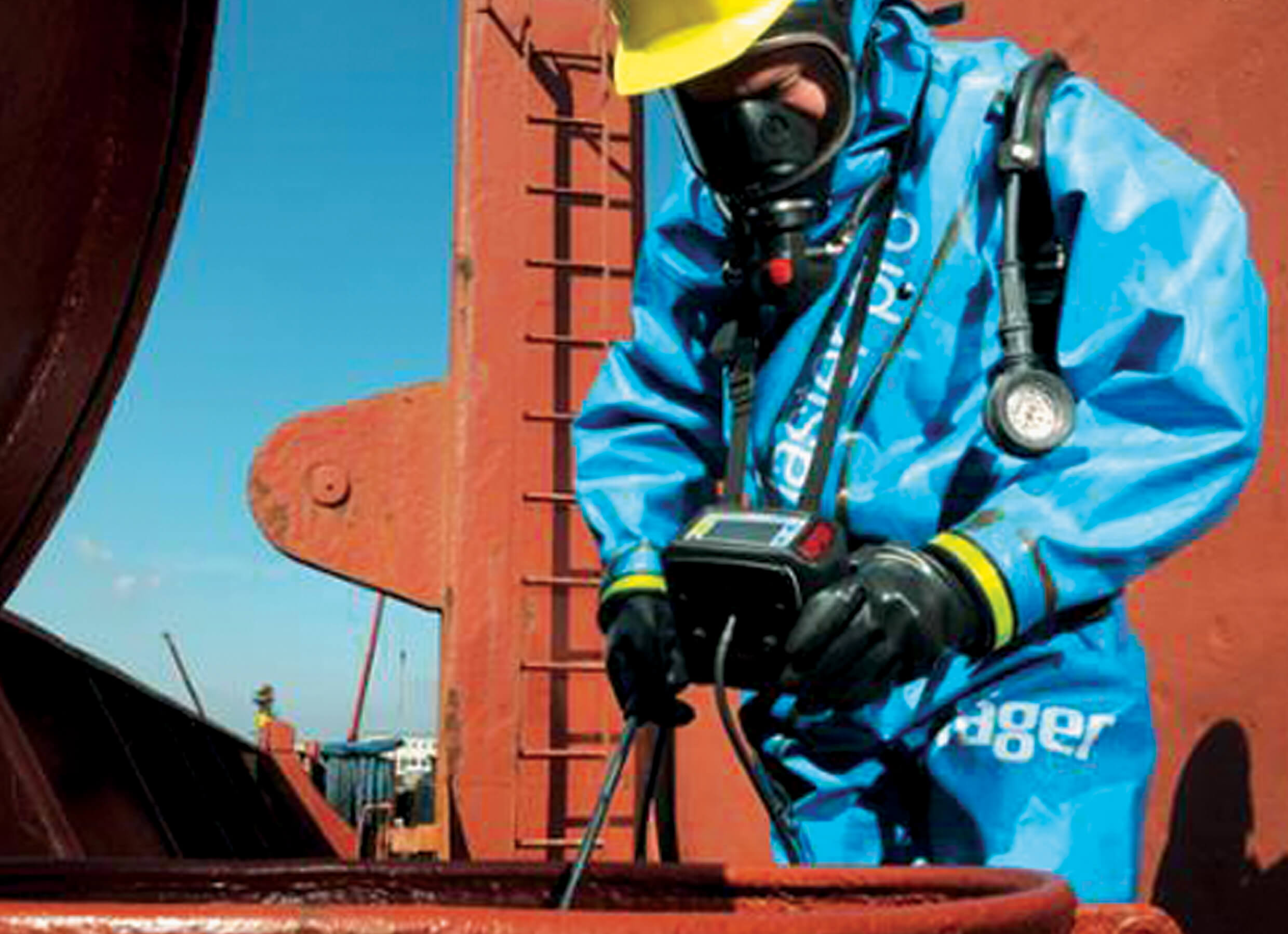
Gas Testing
0.00 EGP
- Description
- Reviews (0)
Description
At the end of this course, participants will be able to:
- Define the terms LEL and UEL and explain their significance
- Describe the effects of Hydrogen Sulfide (H2S), Carbon Monoxide (CO), and Carbon Dioxide (CO2) and other gases
- Describe the effects of hazardous atmospheric concentrations.
- List the sources of flammable and toxic gases in an enclosed atmosphere
- List sources of ignition
- Describe the gas testing procedure
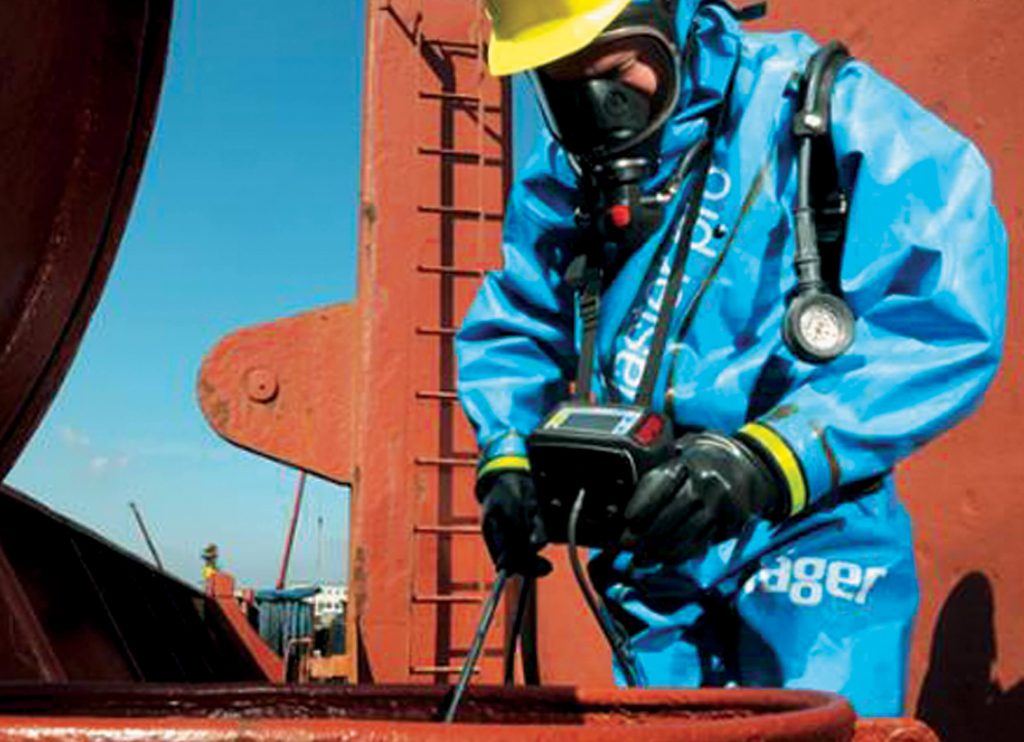
- Describe the principle of operation and demonstrate the correct operating procedure of selected gas testing equipment.
- Select, use and care for PPE for different oxygen deficient atmospheres, toxic and flammable gases.
- Identify the strengths and weaknesses of the various types of oxygen, flammable and toxic gas detection equipment – to include fixed, portable and personal monitors
- Identify the range and frequency of tests and their acceptable limits
- Understand where to site ongoing monitoring equipment for vessel entry
- Understand the principles of gas testing as applied to confined space entry
- Introduction
- Atmospheric hazards statics
- What is gas testing?
- Who carries out gas testing?
- History of Air Monitoring
- Definition of terms, PPM, LEL, UEL, PEL, TLV, TWA, etc
- Principles of atmosphere testing
- Range and frequency of tests and their acceptable limits
- Hazardous atmospheric concentrations
- Atmosphere measuring and monitoring equipment
- Different types of detectors including fixed and portable detectors
- Air sampling gas detector tubes
- Strengths and weaknesses of the various types of atmospheric flammable gas detection equipment – to include transportable, portable and personal monitors
- Principles of gas testing as applied to confined space entry.
- The principles of hot work gas testing as applied to the work area
- Oxygen deficiency& enrichment hazards and risks
- Flammable gases and their hazards.
- Toxic gases effects such as H2S, CO, SO2, etc.
- The types of PPE required with gas testing operations
- Interpreting, documenting the results and advice relevant personnel.
- How to using Breathing Apparatus
- How to deal with Gas Testing Detector.
- Gas detector pre-start checks
- How to use Air sampling gas detector tubes
- Summary & evaluation
This course is suited for All personnel who conduct atmospheric gas sampling of work areas and confined spaces
-
-
- Classroom lectures
-
Core Certificate for each attendance.

Reviews
There are no reviews yet.